Trade Smarter With the Best Margin Trading App Today
In today’s fast-moving financial environment, traders seek efficiency, flexibility, and informed decision-making. A modern margin trading app plays a key role in meeting these needs by allowing users to trade with borrowed capital while maintaining control over risk. When paired with reliable stock market tips and a well-designed stock trading app interface, margin trading becomes more accessible and structured for informed participants.
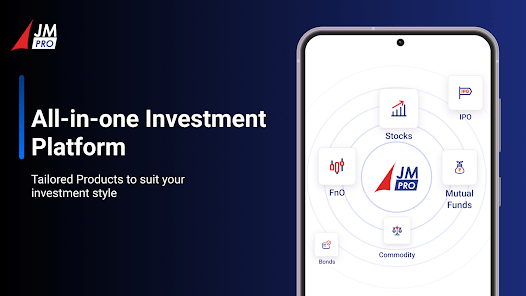
As digital platforms continue to reshape investing habits, choosing the best margin trading app is no longer about speed alone. It is about usability, transparency, risk awareness, and learning support. This article explores how margin trading works, what to look for in a margin trading platform, and how traders can use practical stock market tips to trade responsibly through a stock trading app.
Understanding Margin Trading in Simple Terms
Margin trading allows traders to increase their market exposure by borrowing funds against their existing capital. Instead of trading only with available balance, users can open larger positions while paying interest on the borrowed amount. While this approach can amplify gains, it also increases potential losses.
The best margin trading app explains this balance clearly. It helps users understand leverage ratios, margin requirements, and maintenance levels before executing trades. For traders who already rely on a stock trading app for daily transactions, margin features add another layer of opportunity when used with discipline and planning.
Why Choosing the Right Margin Trading App Matters
Not all platforms are built with the same user intent. A well-structured margin trading app focuses on clarity rather than complexity. It presents essential data without overwhelming the user and ensures that margin calculations are visible before a trade is placed.
An effective platform also supports informed actions by integrating stock market tips that guide users on entry points, position sizing, and risk management. When these insights are delivered within a stock trading app environment, users can act without switching between multiple tools.
Key Features to Look for in the Best Margin Trading App
Transparent Margin Calculations
A reliable margin trading app clearly displays borrowing limits, interest charges, and required collateral. Transparency helps traders plan trades without unexpected outcomes.
Risk Monitoring Tools
The ability to track margin utilization, potential losses, and liquidation thresholds is essential. These tools allow traders to react early instead of facing forced exits.
Simple Trade Execution
A clean interface with quick order placement improves accuracy. A margin trading app should feel like a natural extension of a standard stock trading app rather than a separate system.
Educational Support
Integrated learning sections, explainers, and stock market tips help users understand how margin trading behaves under different market conditions.
Role of Stock Market Tips in Margin Trading
Margin trading is not suitable for random decision-making. Practical stock market tips help traders assess trends, volatility, and volume before committing borrowed capital. These insights focus on discipline rather than prediction.
Within a stock trading app, stock market tips often appear as market summaries, technical signals, or risk alerts. When used correctly, they help traders avoid emotional decisions and stick to defined strategies.
How Margin Trading Fits Into a Stock Trading App Experience
Modern investors prefer managing all activities in one place. A margin trading app that integrates seamlessly into a stock trading app environment improves usability and trust. Users can view portfolios, analyze positions, and monitor margin usage without navigating multiple screens.
This unified experience also ensures that stock market tips are aligned with real-time data. Instead of generic advice, users receive insights relevant to their current holdings and open positions.
Risk Awareness and Responsible Usage
Margin trading is not designed for short-term speculation without preparation. The best margin trading app emphasizes risk disclosure and responsible usage. It encourages users to understand margin calls, stop-loss placement, and capital protection.
Responsible platforms also remind users that borrowed funds magnify outcomes. By combining structured tools with consistent stock market tips, a stock trading app can help users trade with awareness rather than assumption.
Who Should Consider Using a Margin Trading App
Margin trading is suitable for users who already understand basic market movements and trading mechanics. It is not intended for first-time investors without prior experience.
Traders who regularly analyze charts, follow market updates, and use stock market tips as part of their routine may find value in a margin trading app. When accessed through a reliable stock trading app, margin features become easier to manage within an existing workflow.
Long-Term Perspective on Margin Trading
Margin trading is not about frequent high-risk trades. It works best when aligned with a structured plan. The best margin trading app supports this approach by offering consistent tools rather than encouraging excessive activity.
Over time, traders who combine disciplined strategies, verified stock market tips, and a stable stock trading app interface tend to develop better control over leveraged positions.
Conclusion: Trade Smarter With the Right Margin Trading App
Choosing the best margin trading app is a strategic decision that impacts both performance and risk management. A platform that values clarity, education, and responsible trading enables users to approach margin trading with confidence.
When supported by practical stock market tips and delivered through a dependable stock trading app, margin trading becomes a calculated tool rather than a speculative shortcut. For traders seeking efficiency without unnecessary complexity, the right margin trading app provides structure, control, and informed decision-making in today’s evolving financial landscape.


Post Comment